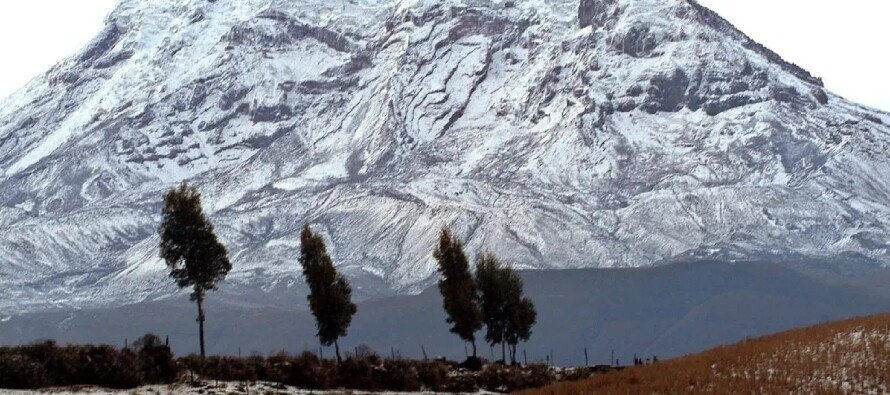
The glaciers in the region of the tropical Andes, composed of Venezuela, Colombia, Ecuador, Peru, and Bolivia, are melting at a rate ten times higher than the global average, according to a report presented by the International Cryosphere Climate Initiative (ICCI) during the COP29 Climate Action Summit in Azerbaijan.
The report highlights that these mountains have lost a quarter of their ice cover since the Little Ice Age, which ended in the 19th century. Of the 5,500 glaciers in the mountain range, those in the tropical Andes are the most vulnerable and are now smaller than they have been in the last 11,700 years.
In 2024, it was confirmed that this region of the tropical Andes was the first in the world where the glaciers were smaller than at any other time since the end of the last Ice Age, about 10,000 years ago. It is mentioned that these glaciers provide a significant part of the seasonal water supply in regions such as the tropical Andes and the high mountains of Asia, so their melting affects millions of people.
The report refers to research from July 2024 that discovered changes in the water resulting from the melting in the Peruvian Andes, which is directly linked to transformations in global biodiversity. Moreover, it notes that some glaciers could remain and provide water for hundreds or thousands of more years if it weren't for the global warming accelerated by human activity.
The ICCI warns that the disappearance of these glaciers, projected in some cases for the mid-century, would have a significant impact on rural populations in countries such as Peru, Bolivia, and northern Chile, as well as on major cities like La Paz.