Robert Francis Prevost, elected Pope under the name of Leo XIV, has generated a stir following his appointment. Born in Chicago, the new pontiff became a Peruvian citizen in 2015 after years of work in Peru. His welcome message in Italian and Spanish has sparked hopes for a Pope who pays attention to Latin America and fights against the injustices of capitalist regimes.
Prevost has been critical of issues such as deportations and has advocated for the church's social doctrine to reduce inequalities. He has also shown support for reforms that include women in key roles within the Vatican, in line with Francis's positions. However, he has opposed the inclusion of sex education in schools by the Peruvian government.
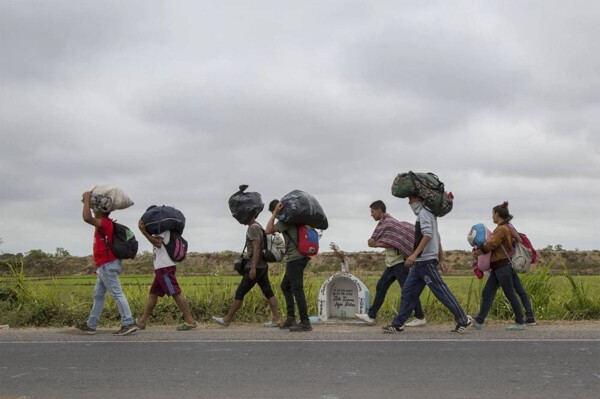
The new Pope has been described as a continuer of Francis's ideas in denouncing global social problems such as migration and labor. He is expected to remain distant from the more closed conservatisms in dialogue, both within the Church and with other religions.
Reactions to his election have been varied. While Trump congratulated him and expressed interest in meeting him, Cristina Fernández linked him to the Virgen de Luján, patroness of Argentina. Conservative sectors have expressed concern about his focus on sexual morality issues, despite his Peruvian nationality.
Hope and doubts surround the new Pope Leo XIV. Progressives yearn for him to continue Francis's reforms, although they fear he might be lukewarm on certain issues. On the other hand, conservatives label him as a "heresy" and question his stance on sensitive topics such as sexual abuse in the church.
Prevost has been noted for his role in defending victims in cases like the Sodalicio de Vida Cristiana in Peru. Despite the accusations, prominent conservative leaders have remained distant from the election of the new Pontiff.
In summary, Leo XIV faces a challenge of mediation among the factions of the Church, with the hope of maintaining a balance between progressives and conservatives and continuing the reforms initiated by his predecessor.