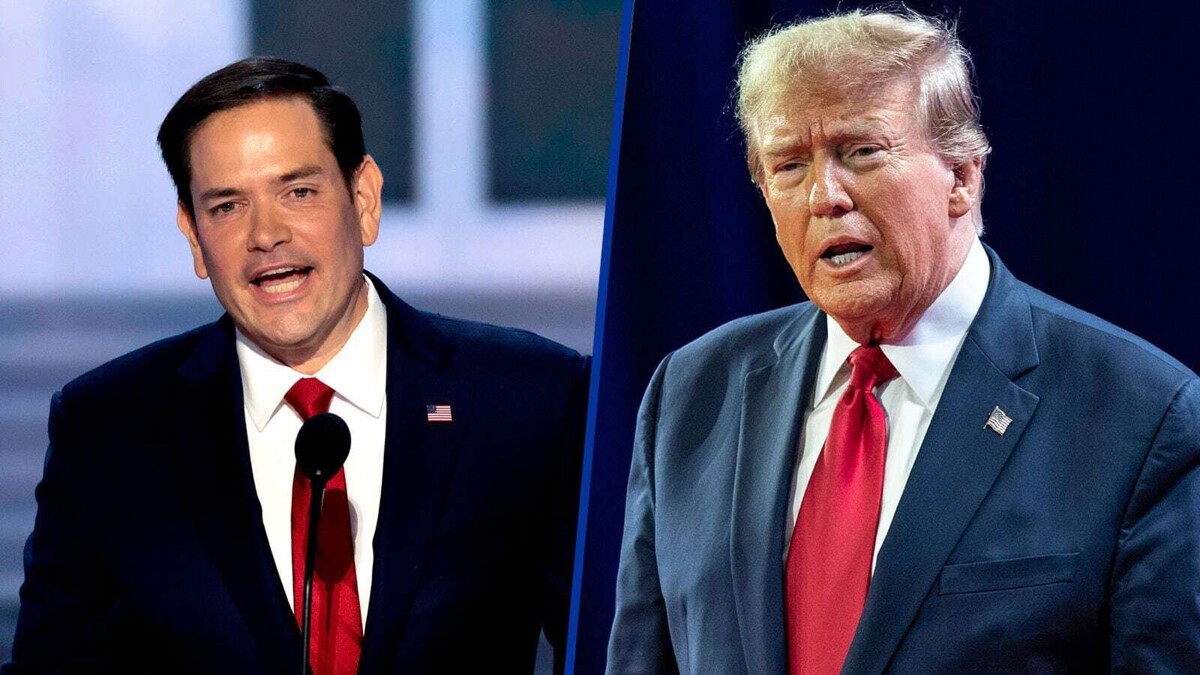
The appointment of Senator Marco Rubio as Secretary of State in the United States promises to bring significant changes to the relations between this country and China, a global power. Rubio, known for being one of the most anti-communist politicians in the U.S., has been under sanctions from China since 2020, further complicating the situation.
In Latin America, China's presence has increased in recent years. Various countries in the region have shown interest in strengthening ties with the world's second-largest economy, benefiting from trade and investment agreements. China has seized this opportunity to promote its Belt and Road Initiative and consolidate its influence in the region.
Experts indicate that with Marco Rubio at the helm of U.S. diplomacy, tensions in relations with China are expected. Rubio has shown to be more focused on Latin America, particularly in Venezuela, Cuba, and Nicaragua, which could influence Washington's stance regarding Chinese-Latin American relations.
Rubio's designation coincides with Chinese President Xi Jinping's visit to Latin America, highlighting the importance of the region in the interests of both countries. China's growing influence in Latin America represents a challenge for the United States, and Rubio is expected to play a key role in curbing this trend from his new position.
The uncertainty regarding how China will respond to the sanctions imposed by the United States on Rubio is one of the main questions arising in this new scenario. Experts suggest that both parties will need to engage in dialogue to find a middle ground that allows for progress in their relations, despite existing difficulties.