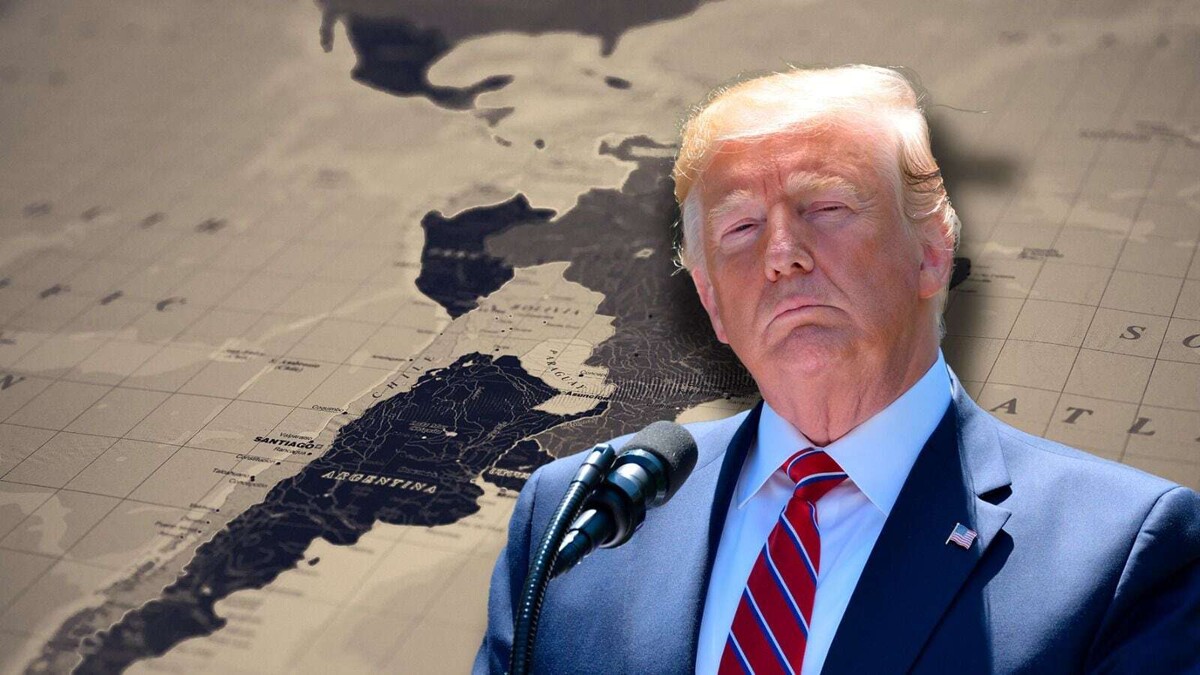
In the midst of a complex political scenario in Latin America, significant movements by regional leaders regarding international alliances are observed. While some, like Argentine President Javier Milei, mention interest in China as a trade partner, other leaders show willingness to distance themselves from certain U.S. policies, especially under the Trump administration.
Upcoming meetings between President Joe Biden and his counterpart Xi Jinping at events like the Asia-Pacific Economic Cooperation Forum and the G20 Summit stand out. The growing Chinese influence in the region concerns some U.S. officials, who see how the lack of a clear agenda from the U.S. leaves space for China to strengthen its presence in the region.
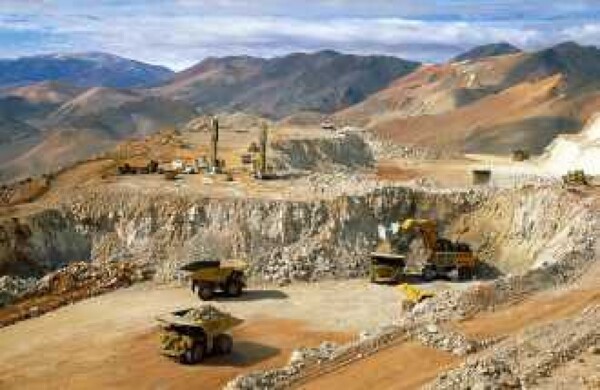
The competition between the U.S. and China is reflected in different areas, such as the case of the Chancay port in Peru, built by Chinese companies as part of the Belt and Road initiative. This project, along with other Chinese moves in the region, raises certain alarms in Washington. However, for many Latin American countries, these investments represent concrete opportunities for development and economic growth.
The dispute between Elon Musk, Brazil, and Chinese companies also illustrates the challenges and opportunities some countries in the region face in balancing external influences. As the U.S. reflects on its strategy in Latin America, Latin American leaders seek allies and partners that can benefit their economies and societies.
In this context, the importance of considering the needs and aspirations of Latin American countries when establishing international relations becomes evident. The competition between powers like the U.S. and China in the region poses challenges but also opportunities for economic development and stability in Latin America.