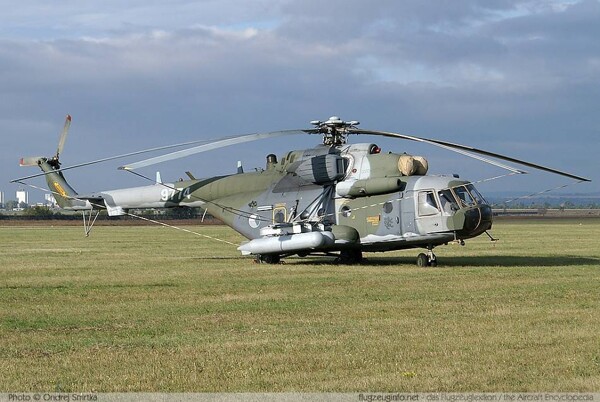
A month before the presidential elections in Peru, none of the 36 candidates in the race polls more than 12 or 14% of the voting intention, which could open the door for an 'outsider,' a new face in national politics who can connect with an electorate that abhors and denounces its ruling class. With such an open election in terms of the number of candidates, and although only four are from the left, the possibility of a surprise like the one in 2021 by Pedro Castillo is in the air, especially when approximately 30% are still undecided or do not want to vote for any of the candidates in the race, according to several polls. 'There is still room for an outsider,' warns the director for Peru of the pollster Ipsos, Alfredo Torres, in statements to the newspaper Perú 21. So far, the polls are led by the ultraconservative former mayor of Lima Rafael López Aliaga (Renovación Popular) and by Keiko Fujimori (Fuerza Popular), daughter and political heir of former President Alberto Fujimori (1990-2000), with vote intention values around 12% and 8%, respectively. After them comes a host of 34 aspirants, many new to politics or almost unknown to most Peruvians. Perhaps the best known, after Keiko Fujimori, is the comedian Carlos Álvarez (País Para Todos), a Peruvian television celebrity who for three decades has specialized in satirical imitations of politicians and whom some predict could emulate Ukrainian President Volodymyr Zelensky, who made the leap from the screen to politics. From the academic sector comes the former rector of the National University of Engineering (UNI) Alfonso López Chau, candidate for the Ahora Nación party, which represents the center-left, with 5% in the latest polls. On the right, as a third way against Fujimori and López Aliaga, Wolfgang Grozo (Integridad Democrática) has begun to attract public attention. A retired air force officer, his vote intention is around 5% in the latest polls, and he has been questioned for his links to the current interim prosecutor and a controversial businessman. Grozo has for now overtaken other center-right options such as businessman Rafael Belaúnde (Libertad Popular), grandson of two-time President Fernando Belaúnde Terry (1963-1968 and 1980-1985), and journalist Carlos Espá (Sí Creo). Despite having been a minister, Jorge Nieto (Partido del Buen Gobierno) is also a little-known figure for Peruvians, to whom he seeks to attract as a centrist option and a profile away from the political noise and traditional parties that have dominated Peruvian politics in recent years, a similar objective to that of former Minister Marisol Pérez Tello (Primero La Gente). Also in the race is retired military man Charlie Carrasco (Unido Perú), who calls himself 'the soldier of the people.' Established in traditional politics are businessman and former regional governor César Acuña (Alianza Para el Progreso), former soccer player and former mayor George Forsyth (Somos Perú), former congressman Yonhy Lescano (Cooperación Popular), as well as former Minister Roberto Sánchez (Juntos por el Perú), who has taken up the banner of imprisoned former President Pedro Castillo and even campaigns with the hat that won him the election five years ago.